Till Grallert
Humboldt-Universität zu Berlin, Institut für Geschichtswissenschaften
Methods Innovation Lab, NFDI4Memory
‘Produktive Ambivalenz: Digitale Methoden und Meistererzählungen’, Kiel und Flensburg
2026-07-07
Affordancen der Digitalität und epistemische Gewalt von Infrastrukturen
Geschriebene Sprache als Mensch-Maschine Schnittstelle
Wie kann eine Datenkultur in den Geisteswissenschaften aussehen?
DIY,
but not alone,
and KISS
Gesellschaft und Wissenschaft sind bereits datafiziert
Computationality might then be understood as an ontotheology, creating a new ontological ‘epoch’ as a new historical constellation of intelligibility.
(Berry „Computational Turn“ 2011, 16; The Philosophy of Software 2011, 27)
Die Digitalität […] ist das, was entsteht, wenn der Prozess der Digitalisierung eine gewisse Tiefe und eine gewisse Breite erreicht hat und damit ein neuer Möglichkeitsraum entsteht, der geprägt ist durch digitale Medien. Digitalität verhält sich Digitalisierung wie die Buchkultur zur Alphabetisierung. Aufgrund der breiten Verfügbarkeit und Anwendung neuer Kulturtechniken entsteht ein neuer kultureller Möglichkeitsraum, der natürlich immer auch mit spezifischen Einschränkungen verbunden ist.
(Stalder „Was ist Digitalität?“ [2019] 2021, 4)
Datafizierung markiert den fundamentalen epistemischen und konzeptionellen Wandel von einer Welt, in der Daten ein eng definierter Teil der Ergebnisse von Forschungsprozessen waren, hin zu einem neuen Status Quo, in dem alle Forschungsprozesse immer bereits durch Informations- und Kommunikationstechnologien (ICT) computationell mediiert sind.
Die fundamentalen Codes einer Kultur, die ihre Sprache, ihre Wahrnehmungsschemata, ihren Austausch, ihre Techniken, ihre Werte, die Hierarchien ihrer Praktiken beherrschen, fixieren gleich zu Anfang für jeden Menschen die empirischen Ordnungen, mit denen er zu tun haben und in denen er sich wiederfinden wird.
(Foucault Ordnung der Dinge [1966] 1974, 22)
Die herrschenden Ideen einer Zeit waren stets nur die Ideen der herrschenden Klasse.
(Marx und Engels Manifest der Kommunistischen Partei [1848] 1958)
Jegliche digitale Informationen sind Daten …
Data are forms of information, a larger concept that is even more difficult to define. Epistemological and ontological problems abound, resulting in many books devoted to explicating information and knowledge
(Borgman Big Data, Little Data, No Data 2015, 18)
[Datafication/modeling] is the work of abstracting discrete values from a phenomenon or artifact. These values may be expressed in numbers or texts and are necessarily a reduction of complex materials into a form for computation.
(Drucker DH Coursebook 2021, 3)
Data need to be imagined as data to exist and function as such, and the imagination of data entails an interpretive base.
(Gitelman „Introduction“ 2013, 3)
… und alle Daten sind modelliert
Modelle sind Abbildungen, die Phänomene auf das für einen spezischen Zweck Wesentliche reduzieren
Algorithmen sind Teil des sozialen Gewebes
Today, algorithms are such an intrinsic and fundamental part of how daily life is experienced that some scholars even argue that we live in “algorithmic cultures” […]. This evocative notion points to the increasing difficulty of separating algorithms from the activities that make up culture. It also evinces the complex ways in which human agency and algorithmic actions are intertwined […]
(Siles Living with Algorithms 2023, 1)
It is our position that the “digital” cannot be understood as a separate domain of culture. If we actually examine the digital […] we see that today digital information processing is present in every aspect of our lives.
(Centre for Postdigital Cultures „About Us“ 2018)
What distinguishes infrastructures from technologies is that they are objects that create the grounds on which other objects operate, and when they do so they operate as systems.
Infrastructure in this sense is a kind of mentality and way of living in the world
(Larkin „The Politics and Poetics of Infrastructure“ 2013, 329, 331)
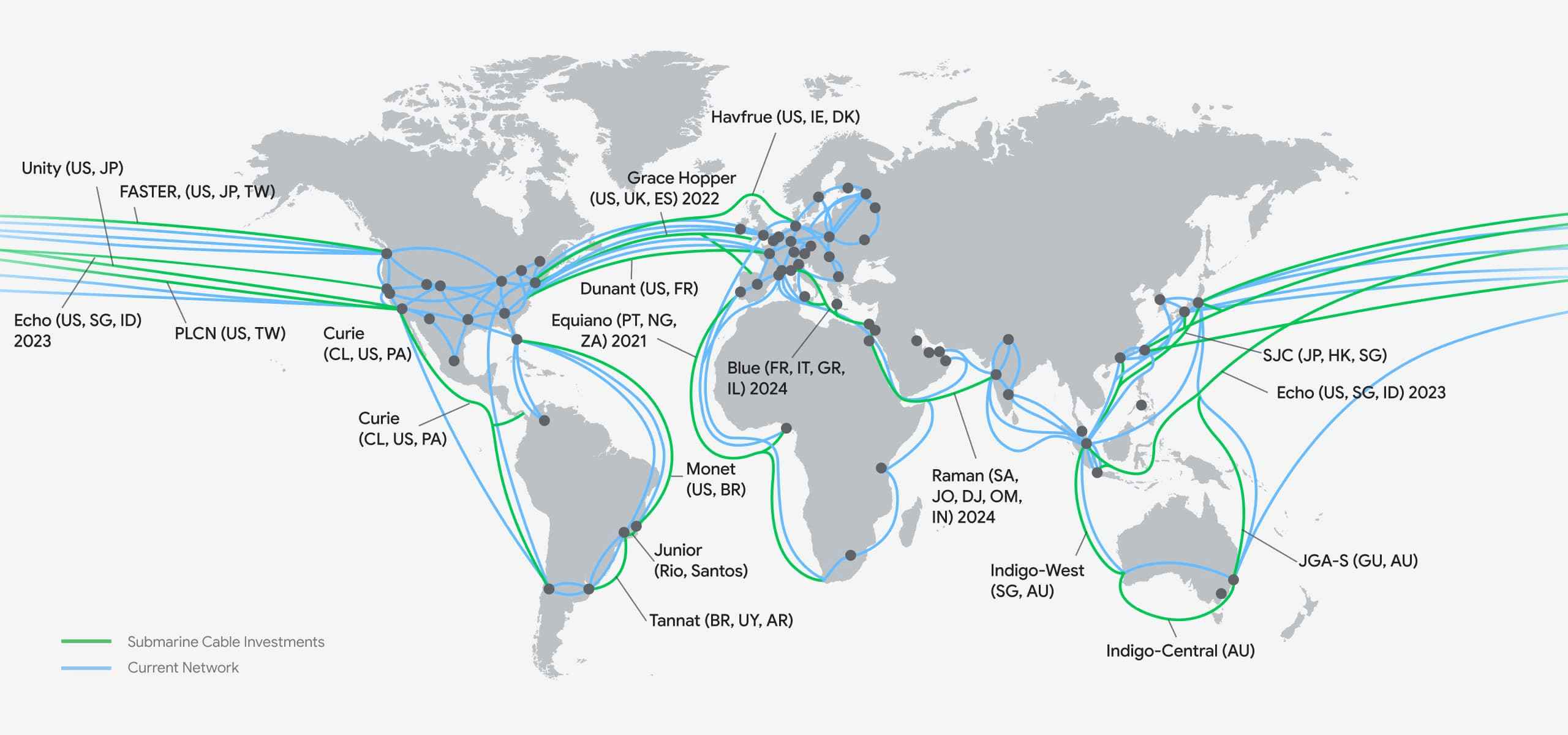
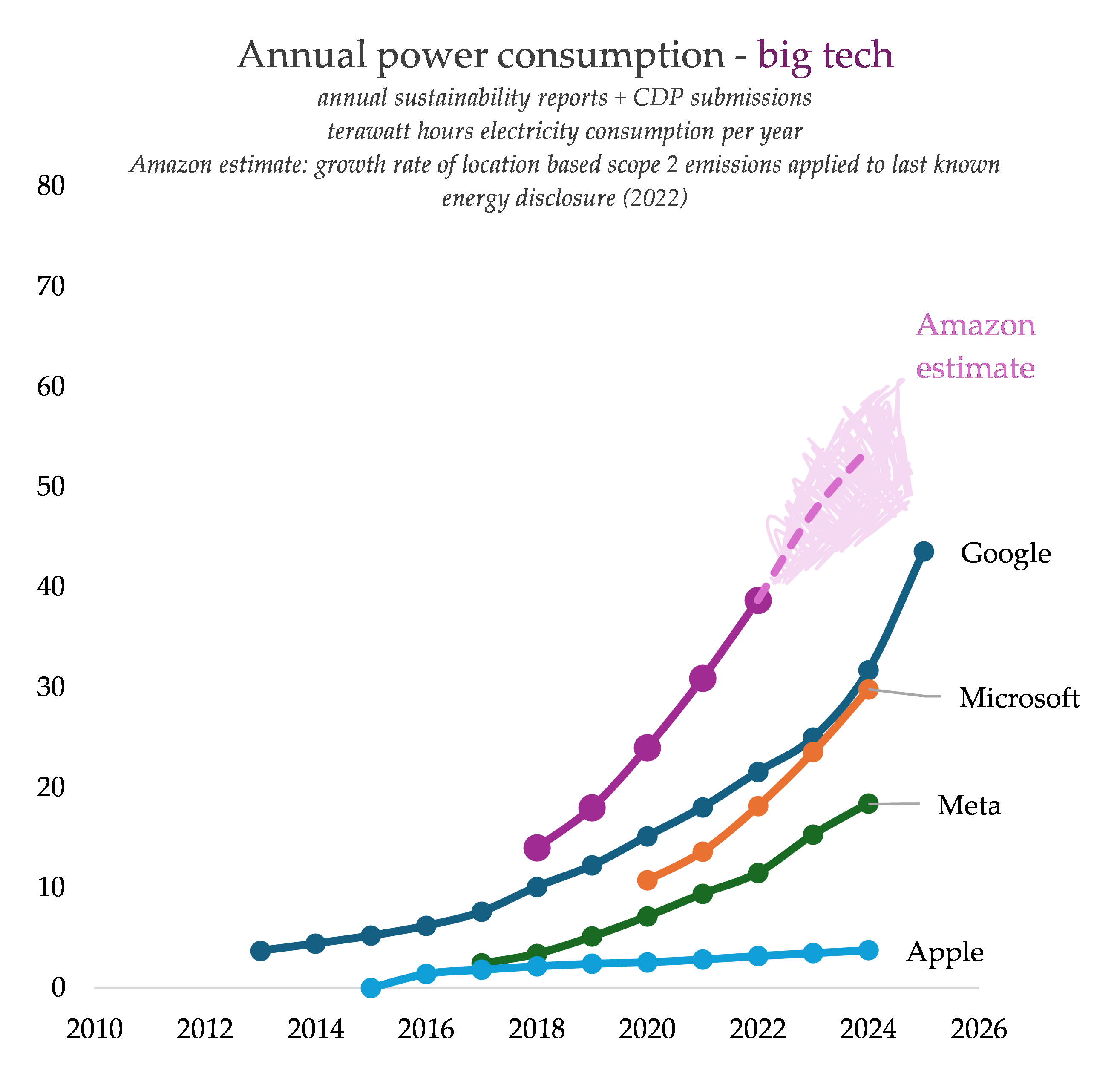
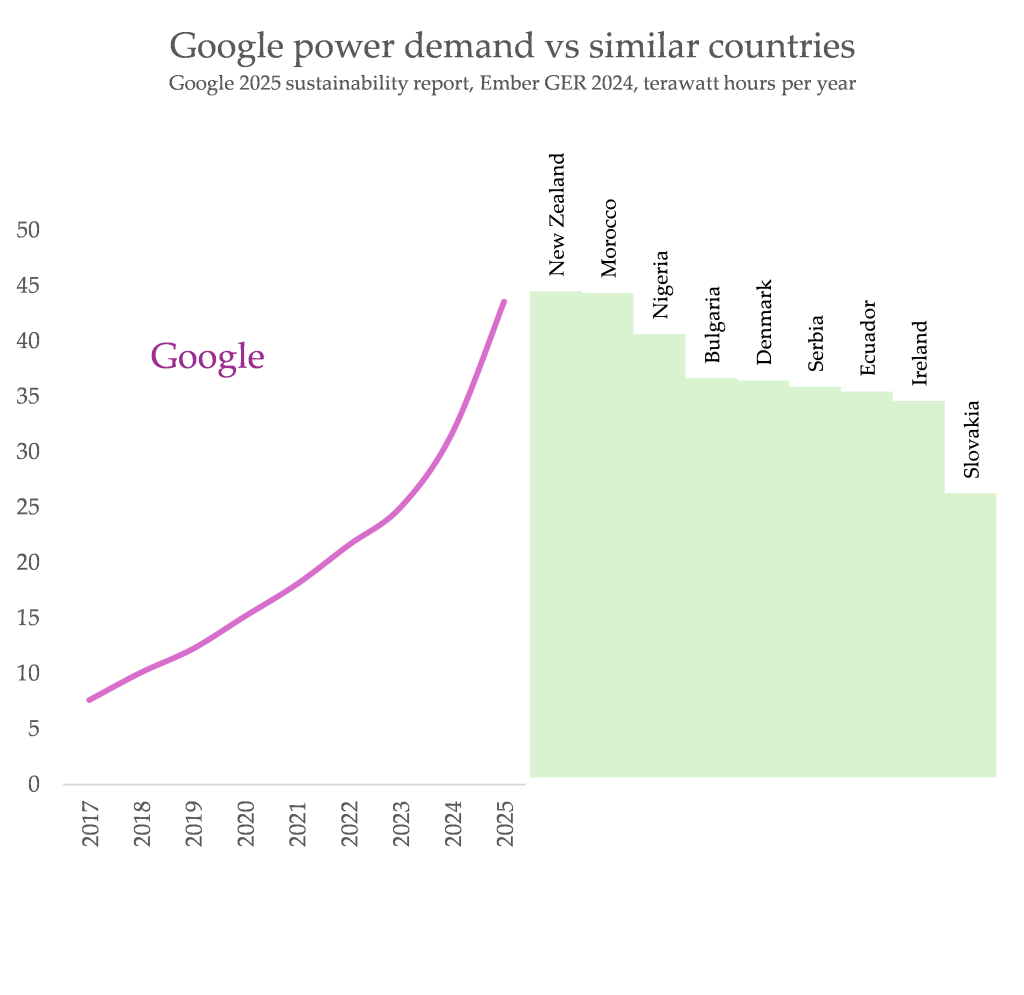
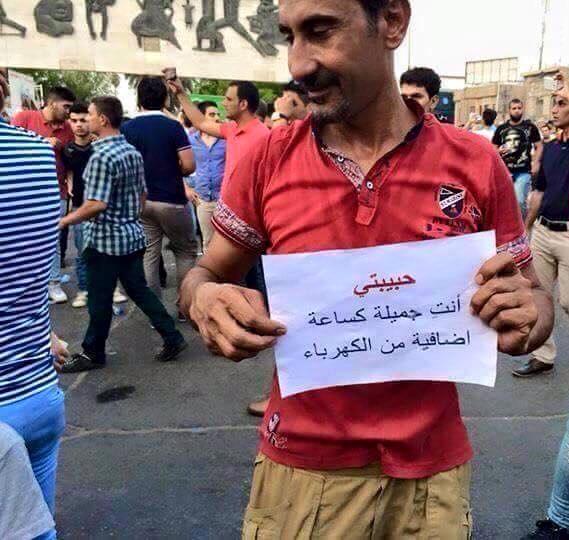
Nur so zum Spaß: kontrastieren Sie die Inhalte von Google („Environmental Report 2026“ 2026) mit deren Präsentation
‘Linguistic imperialism’ is shorthand for a multitude of activities, ideologies, and structural relationships. Linguistic imperialism takes place within an overarching structure of asymmetrical North/ South relations, where language interlocks with other dimensions, cultural (particularly in education, science, and the media), economic and political
(Phillipson „Realities and Myths of Linguistic Imperialism“ 1997, 239)
The basis for the codes, languages, methodologies, and technical instruments of the digital humanities is English; the written and spoken language of all the main conferences, the most prestigious journals, the institutions that control the discipline, the organizations and international consortia, and the central authorities of knowledge is, with few exceptions, some dialect of British or American English.
(Fiormonte „Taxation Against Overrepresentation?“ 2021, 334–35)
| Latein | Hebräisch | ||
|---|---|---|---|
| Deutsch | Gewalt | געװאַלד | Jiddisch |
| Spanisch | Violencia | בֿייולינסייא | Ladino |
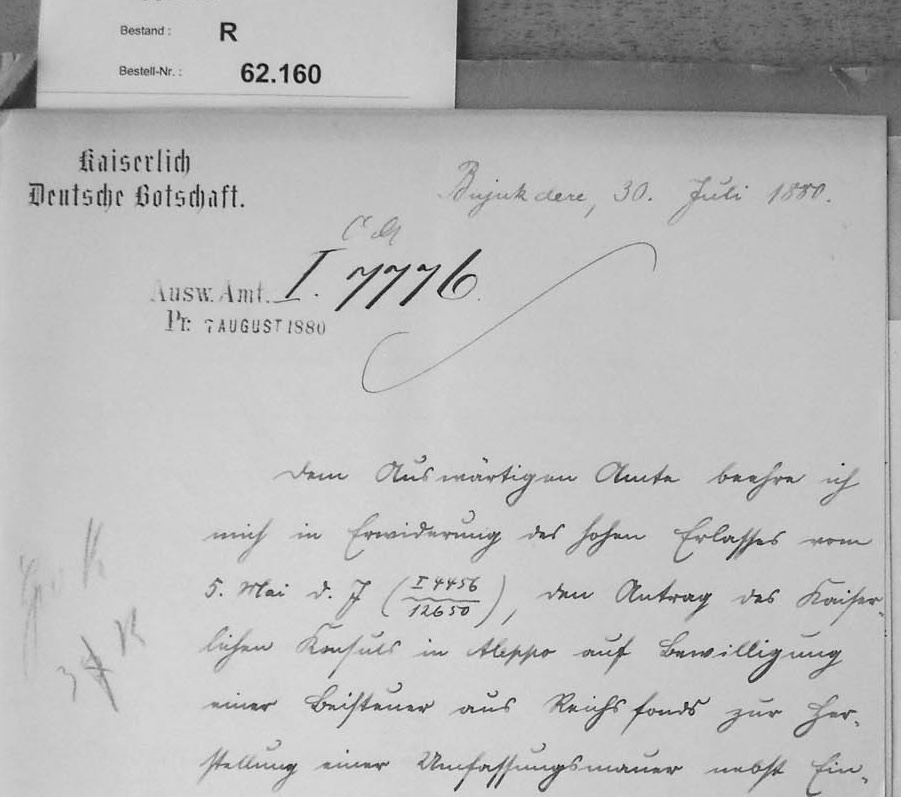
Dem Auswärtigen Amte beehre ich mich in Erwiderung des hohen Erlasses vom 5. Mai d.J (I4456/12650), den Antrag das Kaiser- lichen Konsuls in Aleppo auf Bewilligung
… alle Daten sind modelliert
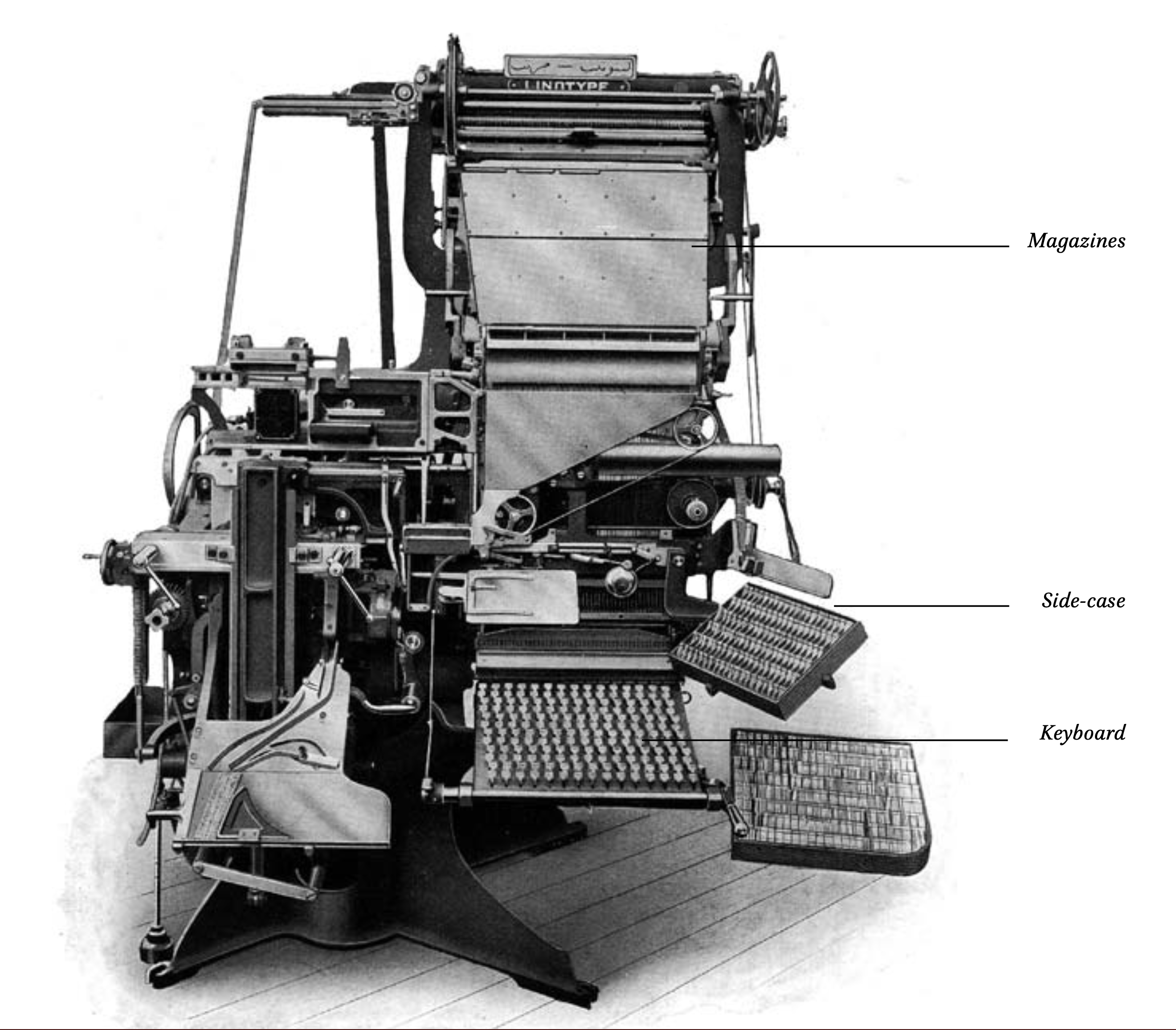
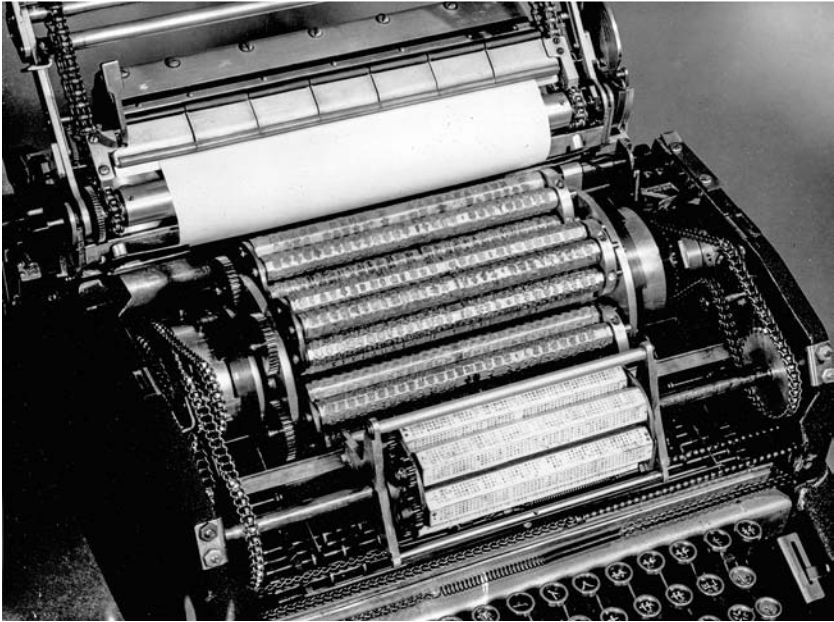
Transliteration into Latin script served the need of colonial administrations and academics with the technological affordances of the time.
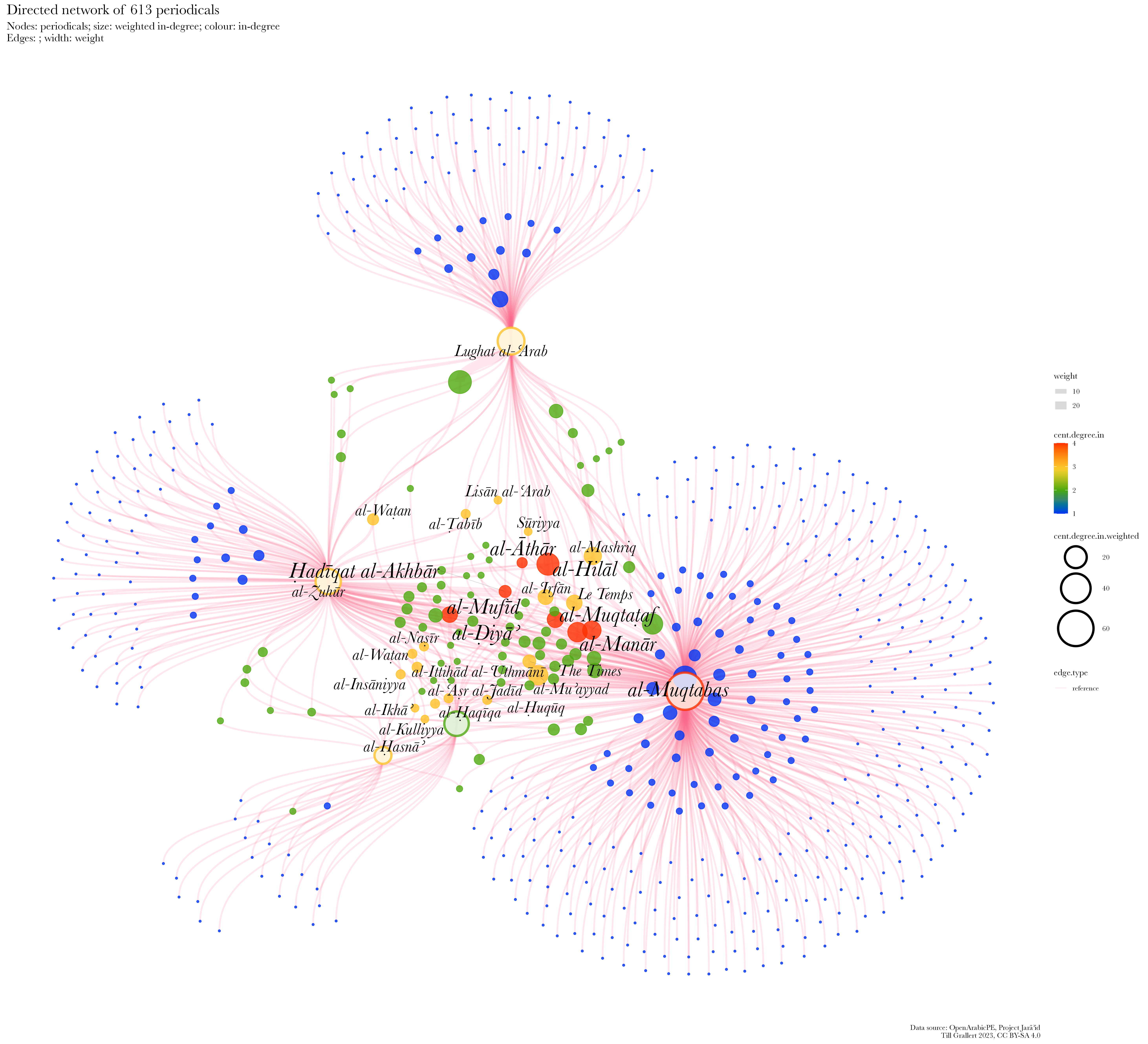
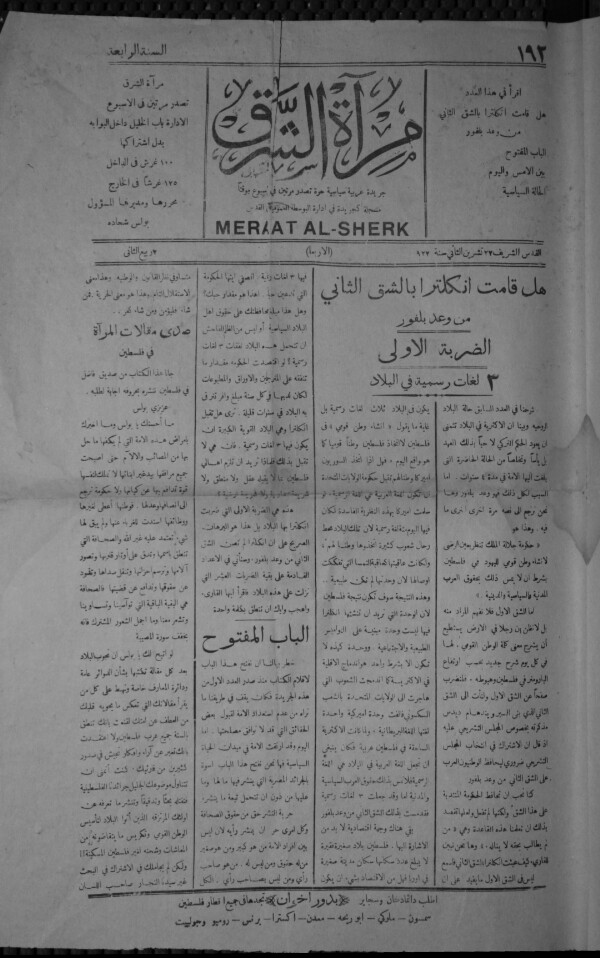
The Arabic title of a newspaper published by بولس شحادة in Jerusalem, 1919–38
The official transcription provided by the paper’s masthead
Following the system of the International Journal of Middle East Studies (IJMES)
Following the system of the Deutsche Morgenländische Gesellschaft (DMG)
Buckwalter transliteration
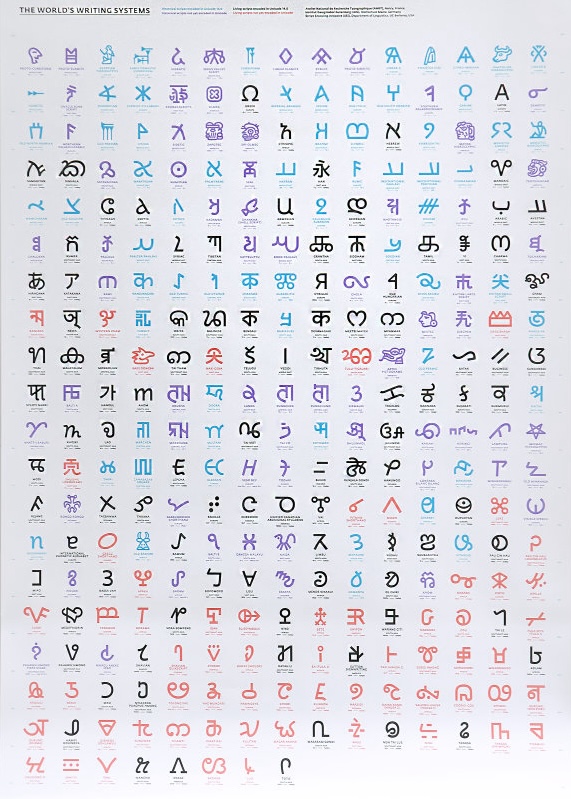
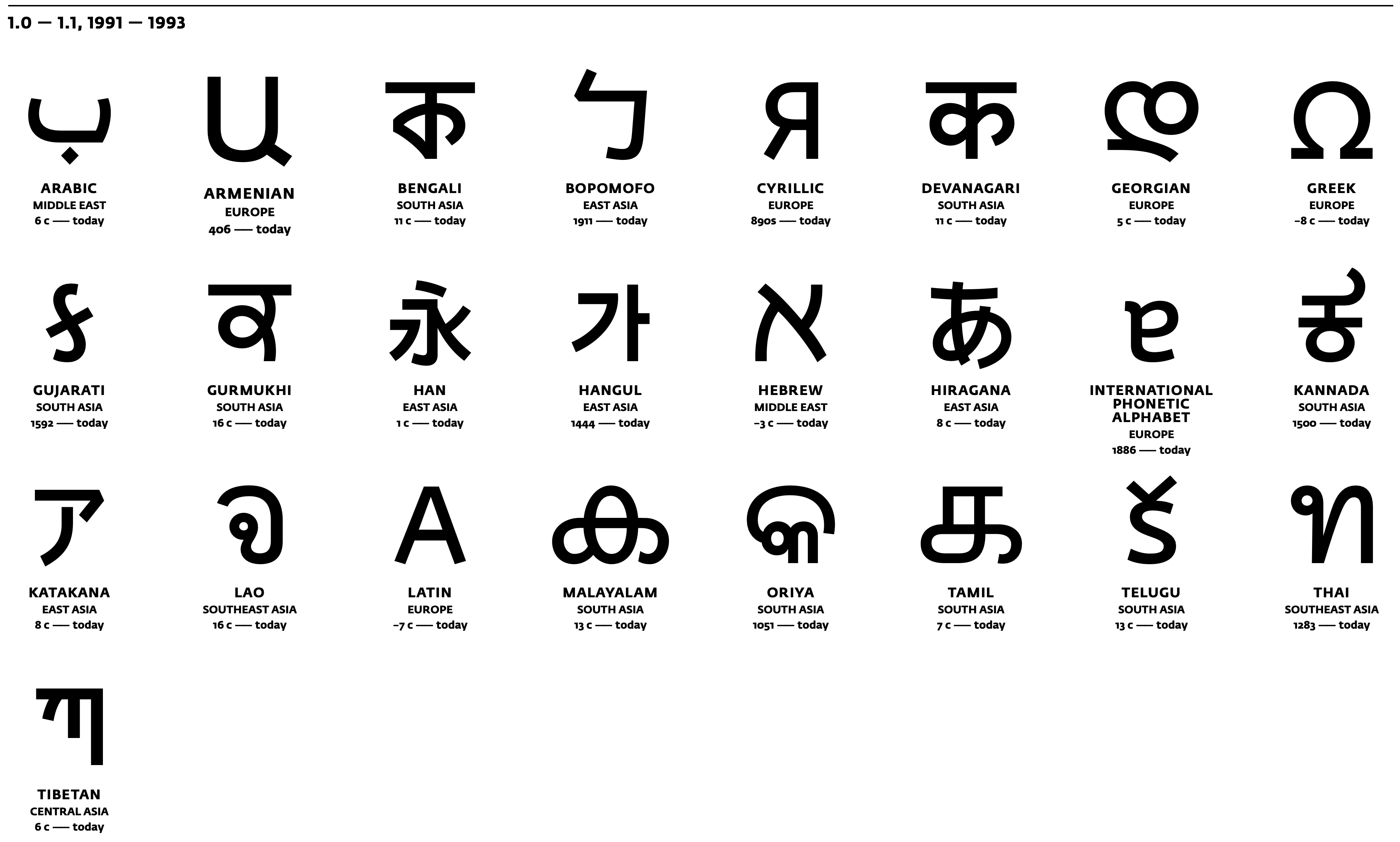
Unicode ist fantastisch …
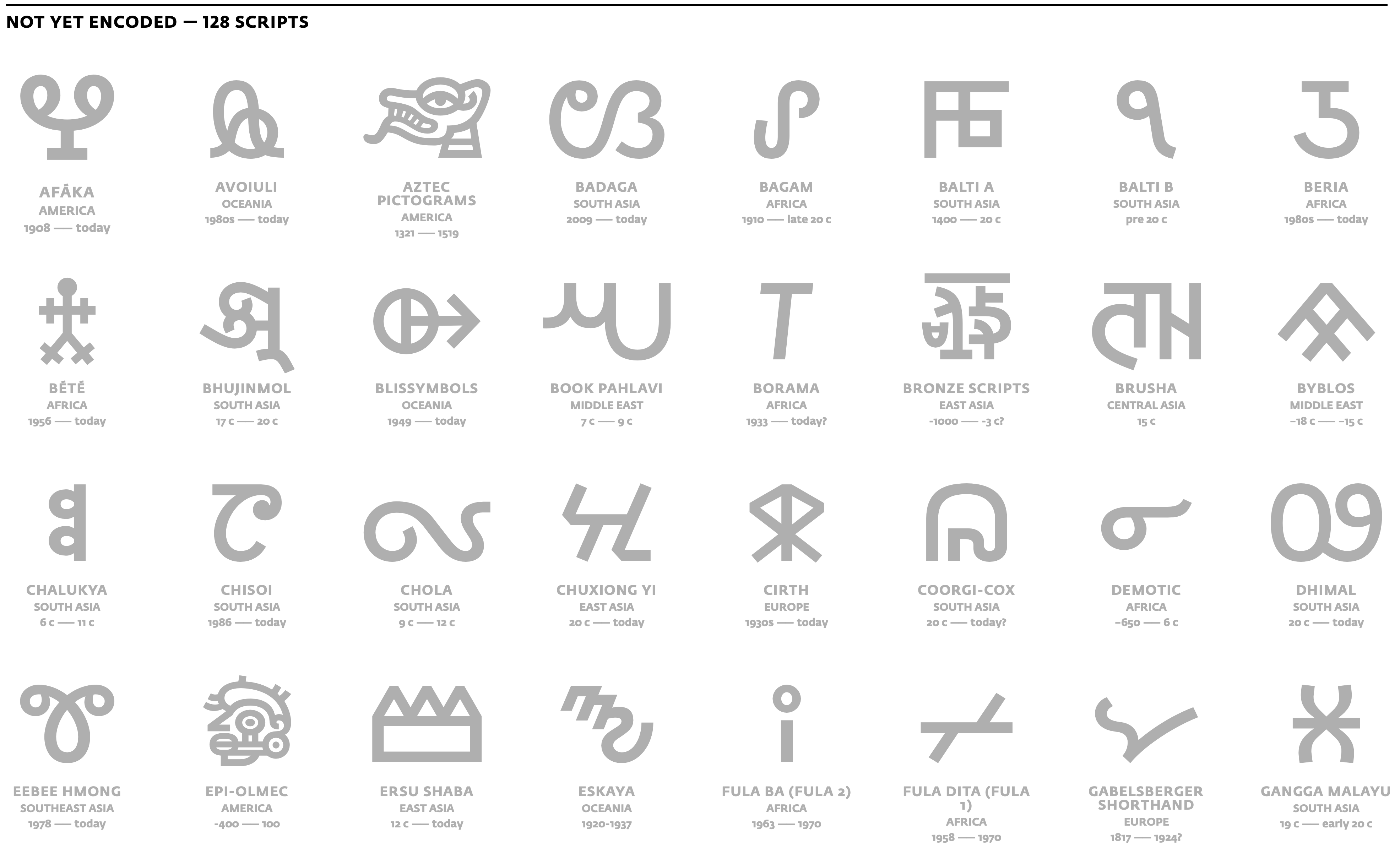
… aber viele zeitgenössische und historische Zeichensysteme werden auch in der neuesten Version nicht unterstützt
… aber Standards sind nur nur so gut, wie ihre Implementierung
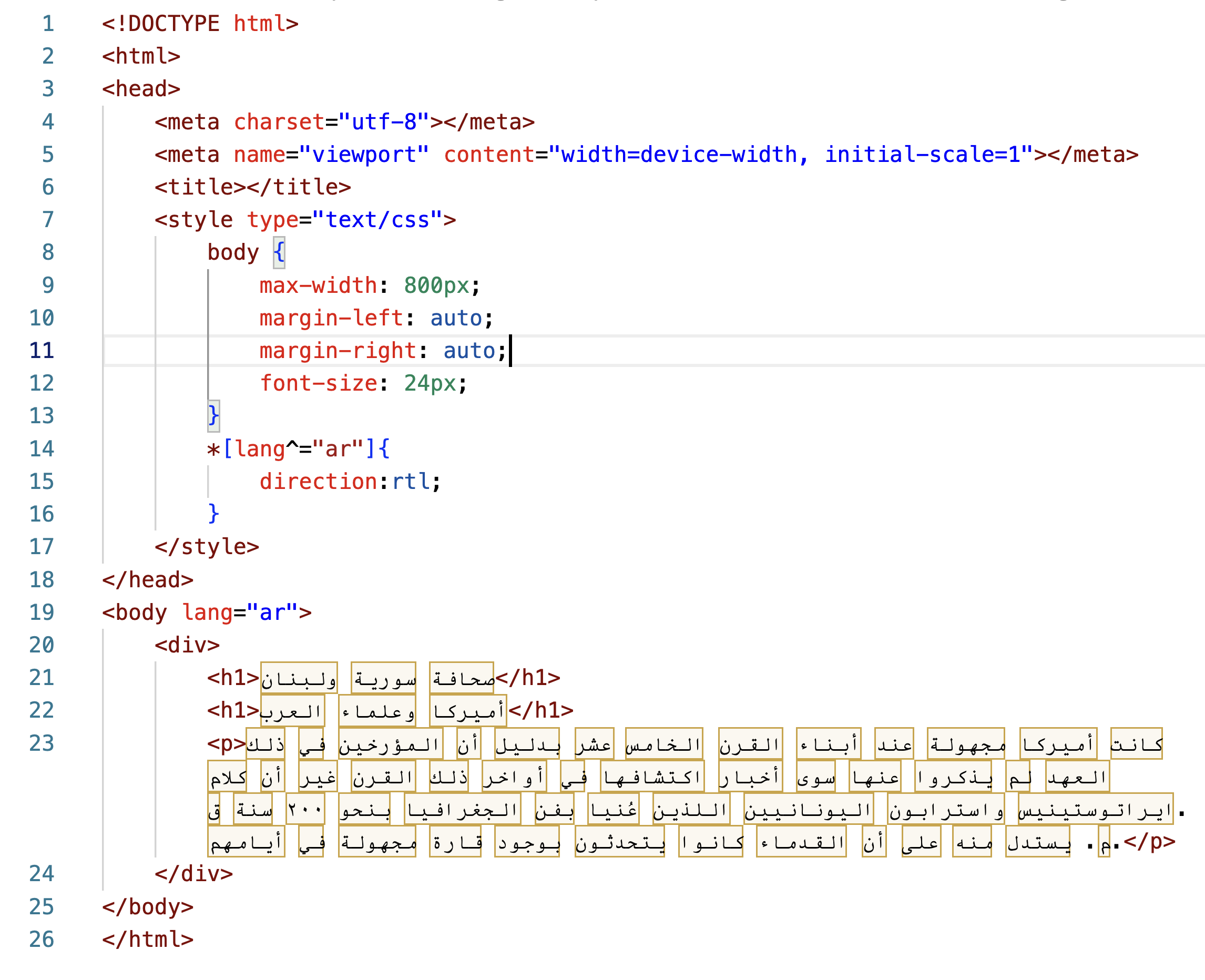
As Ramsey Nasser notes in the overview of his programming language ب ل ق [, pre-existing digital techonologies] are almost exclusively based on the ASCII character set
(Isasi u. a. „A Model for Multilingual and Multicultural Digital Scholarship Methods Publishing“ 2023, 19)
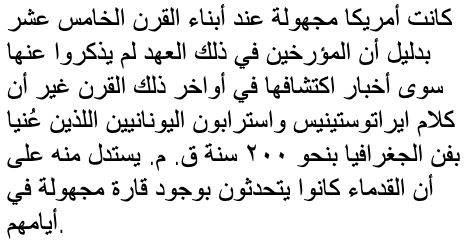
ب ل ق hätte قلب sein müssen.
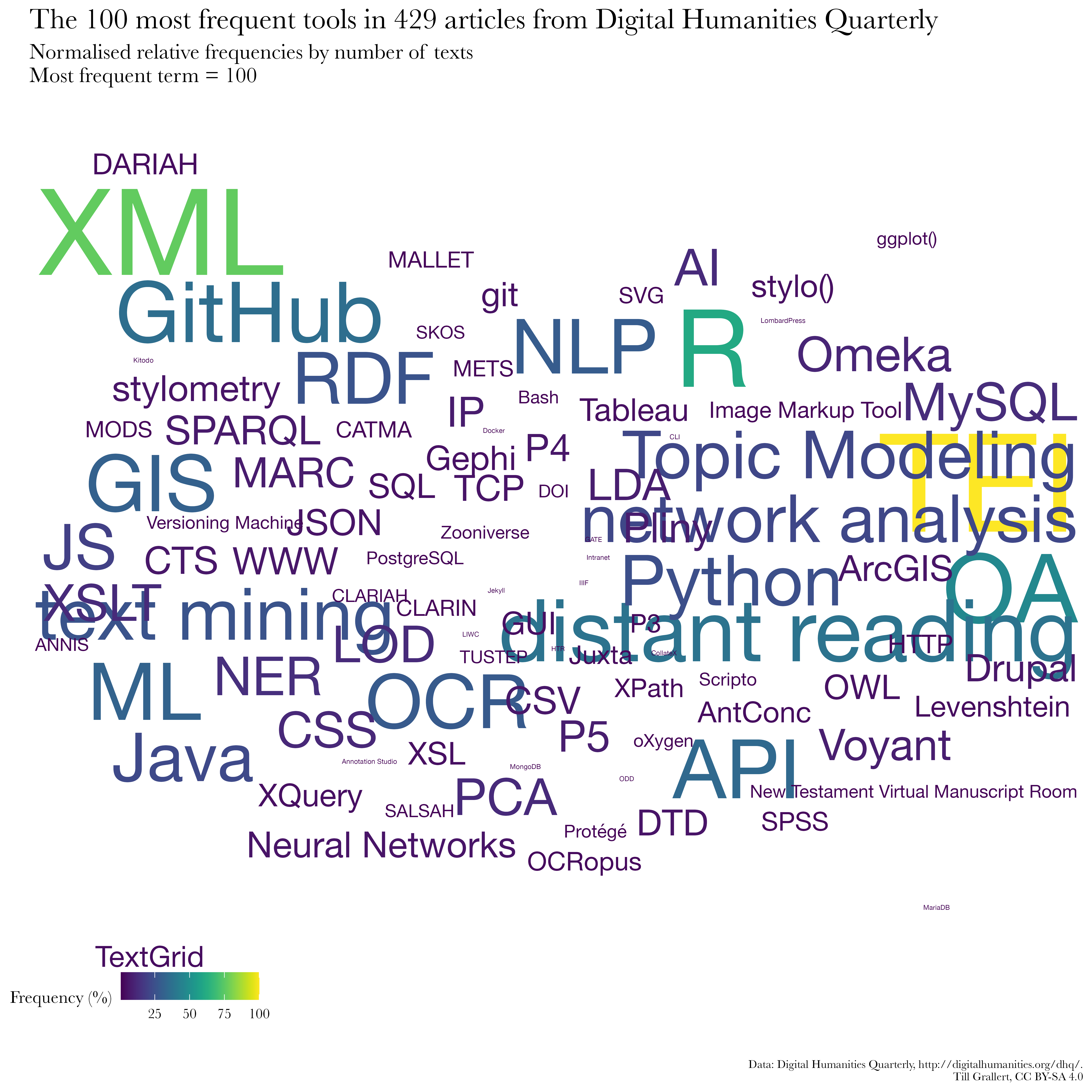
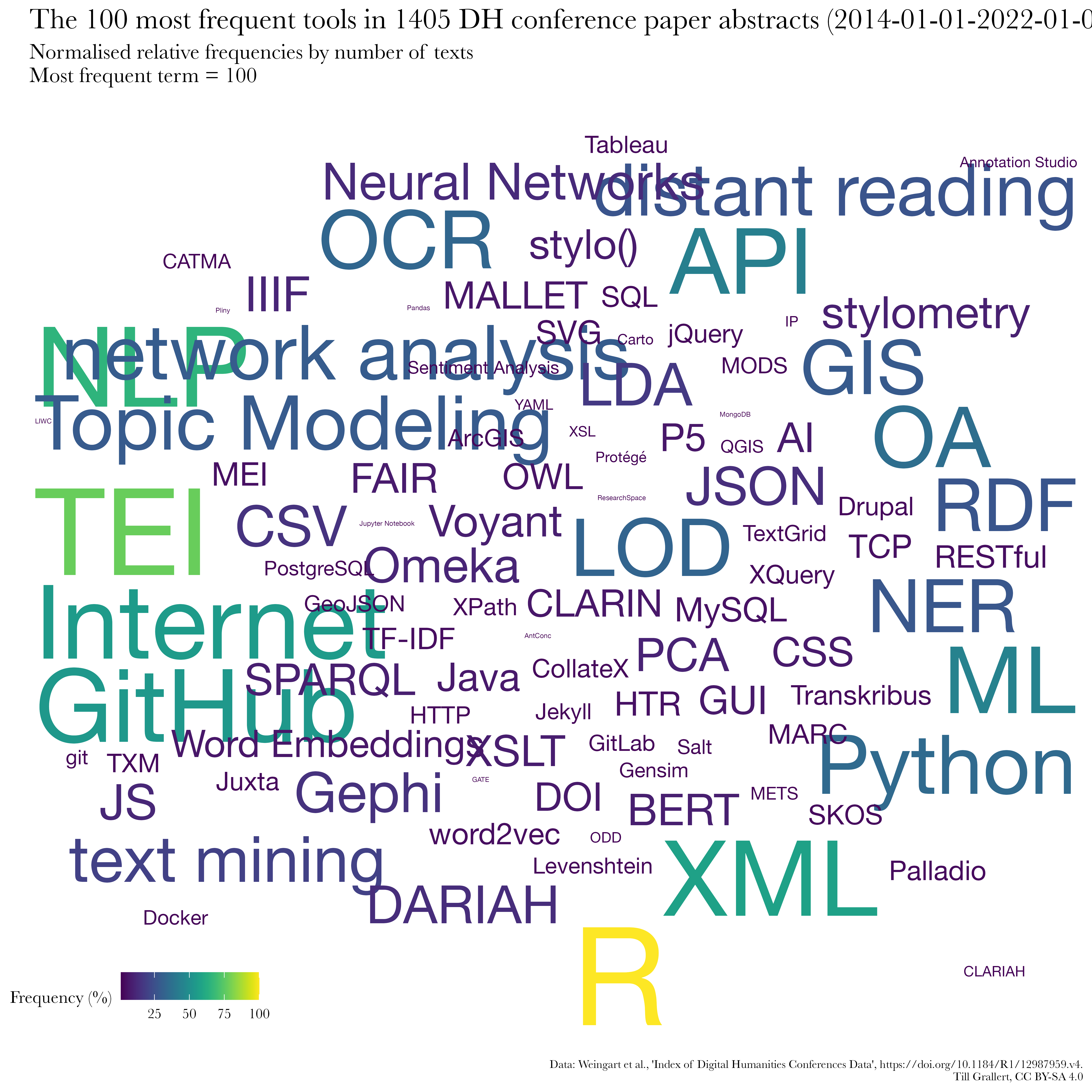
… haben wir schon Industriekonsortien erwähnt?
HTML elements all have names that only use ASCII alphanumerics
(Web Hypertext Application Technology Working Group „HTML“ 2023, Abschn. 13.1.2)
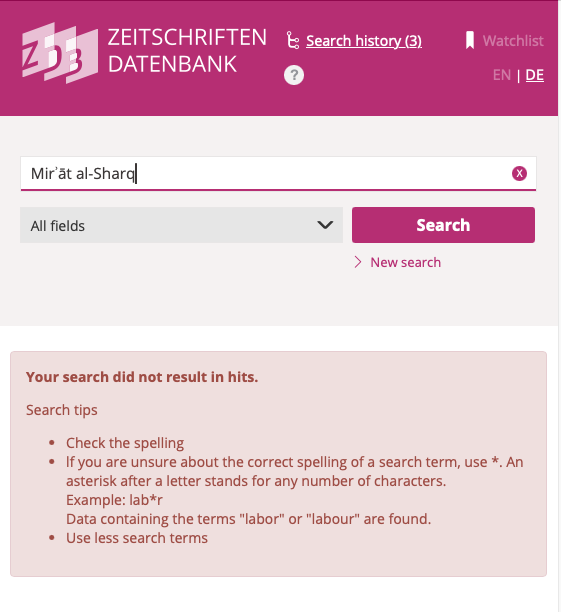
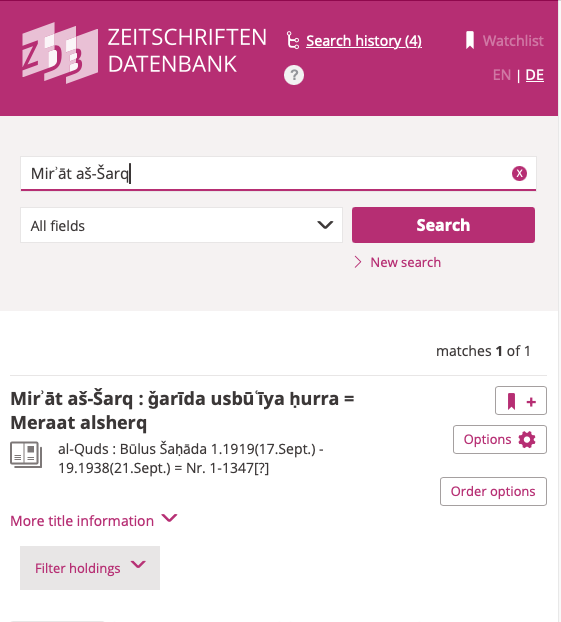
Wie finde ich eigentlich die arabische Zeitung مرآة الشرق in deutschen Bibliotheken?
Menschen versuchen das wünschbare Ergebnis mit den vorhandenen Werkzeugen zu approximieren
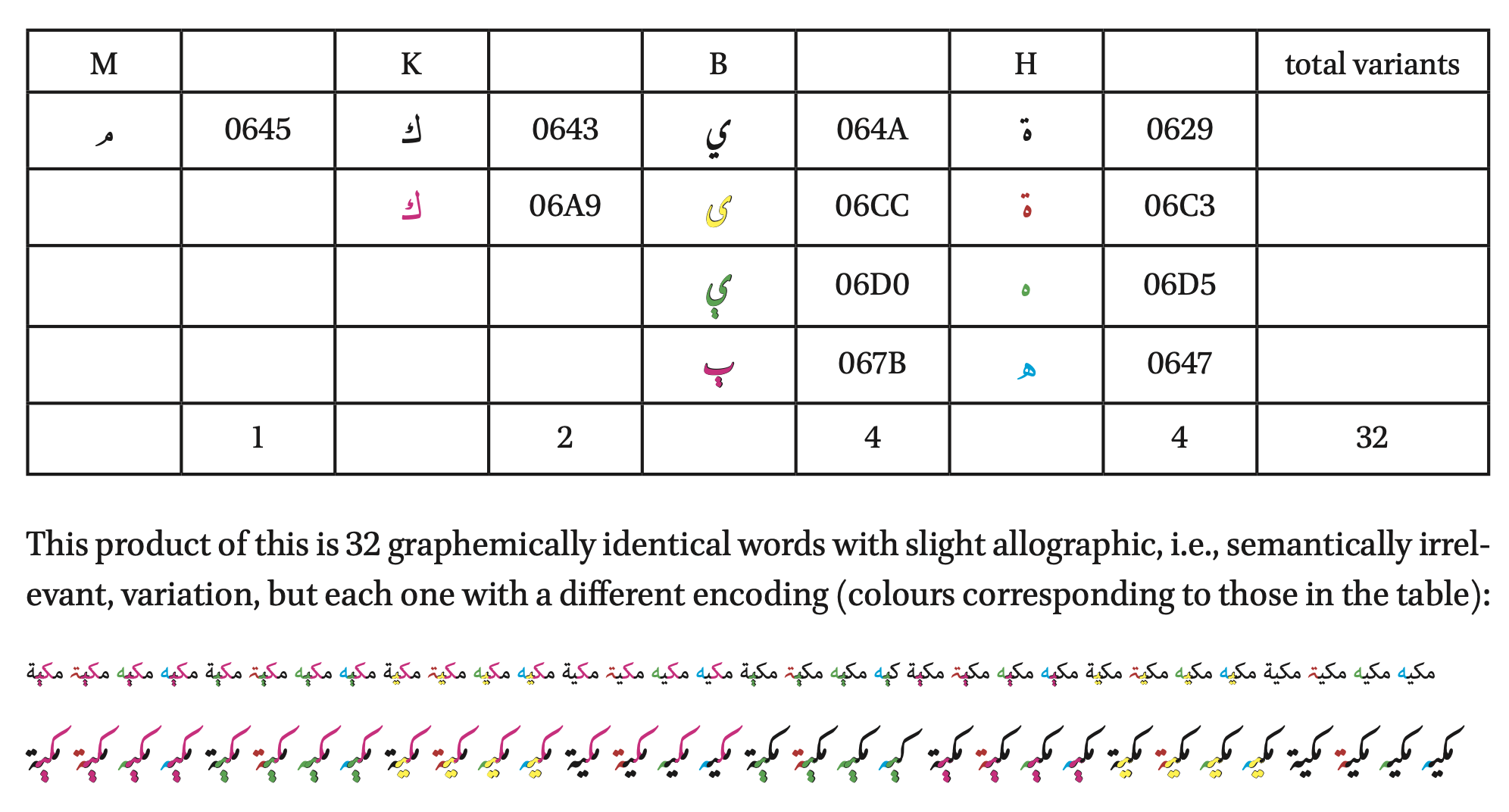
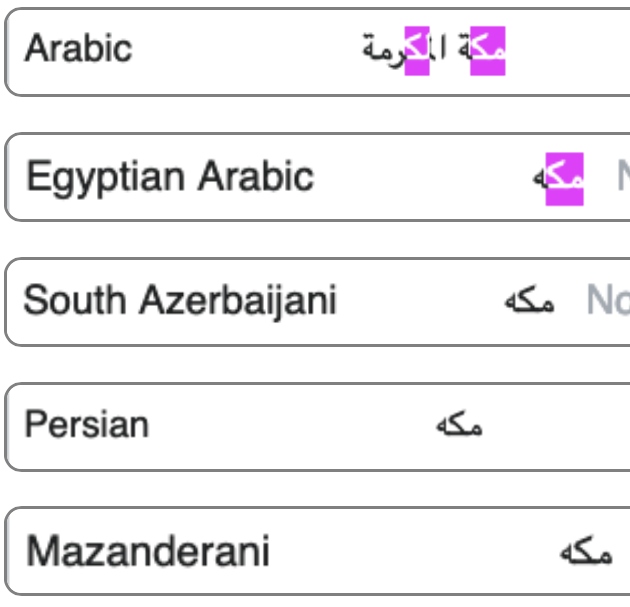
ägyptische Präferenz für das Weglassen der beiden Punkte unter dem finalen yāʾ (U+064A: ي) am Ende eines Wortes
Unicode bietet zwei Möglichkeiten:
library(tidyverse)
setwd("/path/to/folder/")
load("oape_stats.rda")
المجلات <- c("4770057679", "644997575", "472450345", "792756327")
المشار.اليها <- المشار.اليها %>%
filter(source.id.oclc %in% المجلات)
write.table(المشار.اليها, file = "csv/oape_stats.csv", row.names = FALSE, quote = TRUE, sep = ",")Technische Sprachen folgen dem monolinguale Habitus des Englischen:
| Sprache | Shots | Thinking | f1 | Time |
|---|---|---|---|---|
| de | 0 | F | 0.1584 | 0.4 |
| en | 0 | F | 0.6485 | 0.46 |
| de | 0 | T | 0.7894 | 7:26 |
| en | 0 | T | 0.8197 | 7:09 |
| de | 32 | F | 0.1584 | 0:39 |
| en | 32 | F | 0.7905 | 0:59 |
| de | 32 | T | 0.8273 | 7:14 |
| en | 32 | T | 0.8307 | 8:22 |
Für einen aufgeklärten Umgang mit Digitalität brauchen wir einen fundamentalen Kulturwandel
Kennen Sie die?
Es herrscht in der Breite ein Mangel an
digital natives sind nicht automatisch digital citizens
eine Fachkultur, bei der (Forschungs-)daten und datengetriebener Methoden ein integraler Bestandteil sind, die Arbeit mit und an Daten also nicht mehr als ein netter Appendix zum “eigentlichen” Forschungsprozess verstanden wird.
alltägliche Praktiken und Verantwortlichkeiten (auch rechtlich und ethisch) im Umgang mit Forschungsdaten, bei deren Erzeugung, Bereitstellung und Nutzung mit Hilfe von computationellen Methoden und Werkzeugen.
Verständnis der theoretischen und epistemologischen Grundlagen und Implikationen der Datafizierung und Diskussion über deren Folgen
Orientierung, Guidelines und Unterstützung
Do artefacts have politics?
(Winner „Do Artifacts Have Politics?“ 1980)
Do politics have artefacts?
(Dunbar-Hester Low Power to the People 2014)
To use […] tools well, we must, in some real sense, understand them better than the tool makers. […] The best kind of tools are therefore the ones that we make ourselves.
(Tenen „Blunt Instrumentalism“ 2016, 85)
Without access to the code, whether because it is proprietary or generated on the fly, as in the case of some machine-learning algorithms, analysts can only comment on the apparent operations of the code based on its effects. The operations of the code are left in the hands of those who can access it, usually those who have made or maintain it, and those who can read it.
(Marino Critical Code Studies 2020, 4)
I also remind DH is an imposter syndrome house of mirrors. You look around and see experts in GIS, TEI, dataviz, etc.; it’s hard to remember that people tend to be good at one of those things when the collective appears to be good at all of them. We all suck at most of DH.
(Weingart „Tweet“ 2021)
Unfortunately, I’m not particularly handy. On every new project, the tools require blood.
(Graham „Toot“ 2023)
to coordinate and develop […] ‘contact languages’ [..] is the necessary underpinning of a stable, respectful and hybrid form of interdisciplinary collaboration. Done correctly they can create something new: Galison’s ‘full-fledged creoles’ supporting ‘activities as complex as poetry and metalinguistic reflection’. They can create new disciplinary spaces and practices in their own right.
(Ahnert u. a. Collaborative Historical Research in the Age of Big Data 2023)
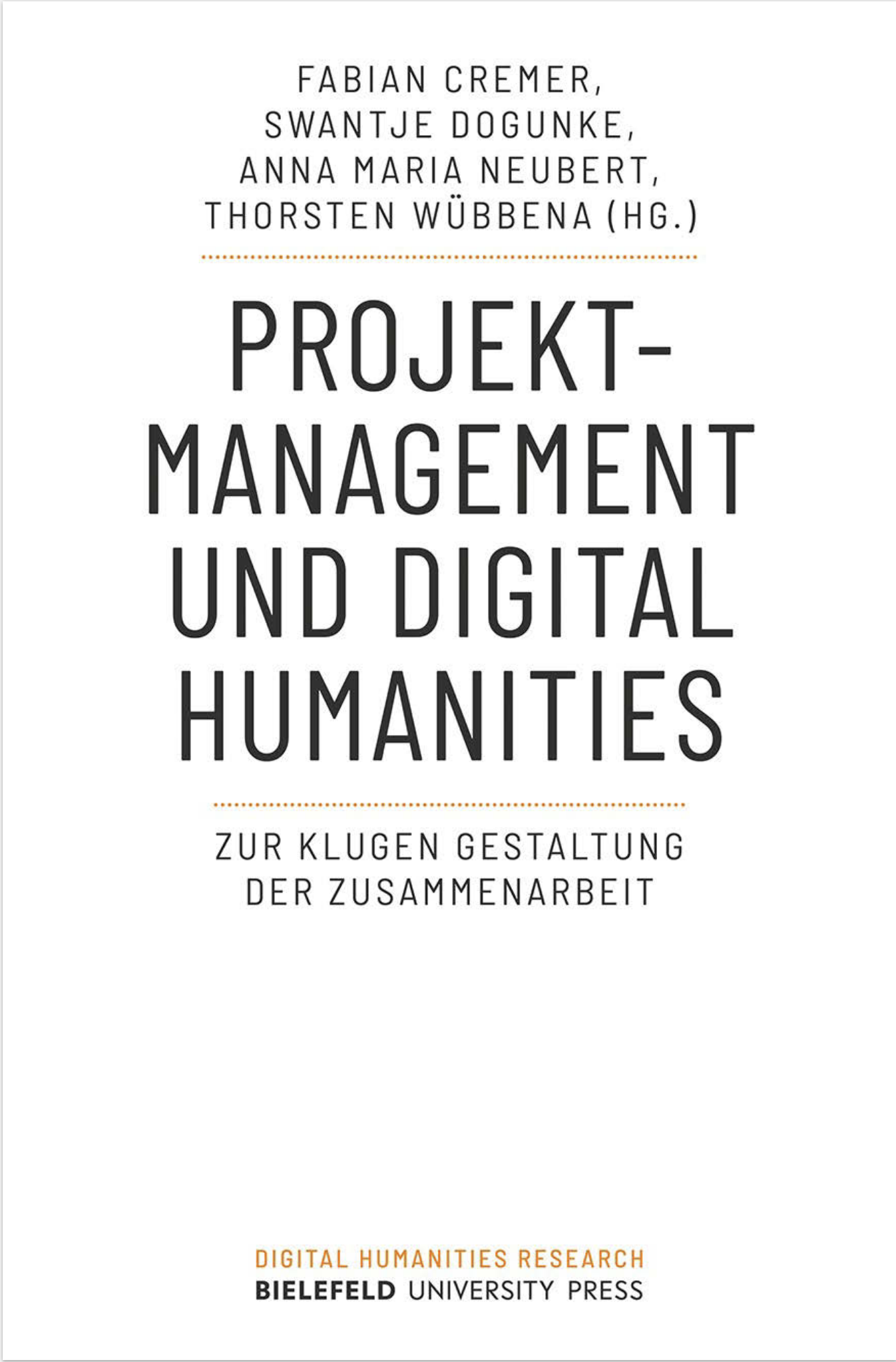
Generous Thinking [begins] by proposing that rooting the humanities in generosity, and in particular in the practices of thinking with rather than reflexively against both the people and the materials with which we work, might invite more productive relationships and conversations not just among scholars but between scholars and the surrounding community.
(Fitzpatrick „Generous Thinking“ 2016)
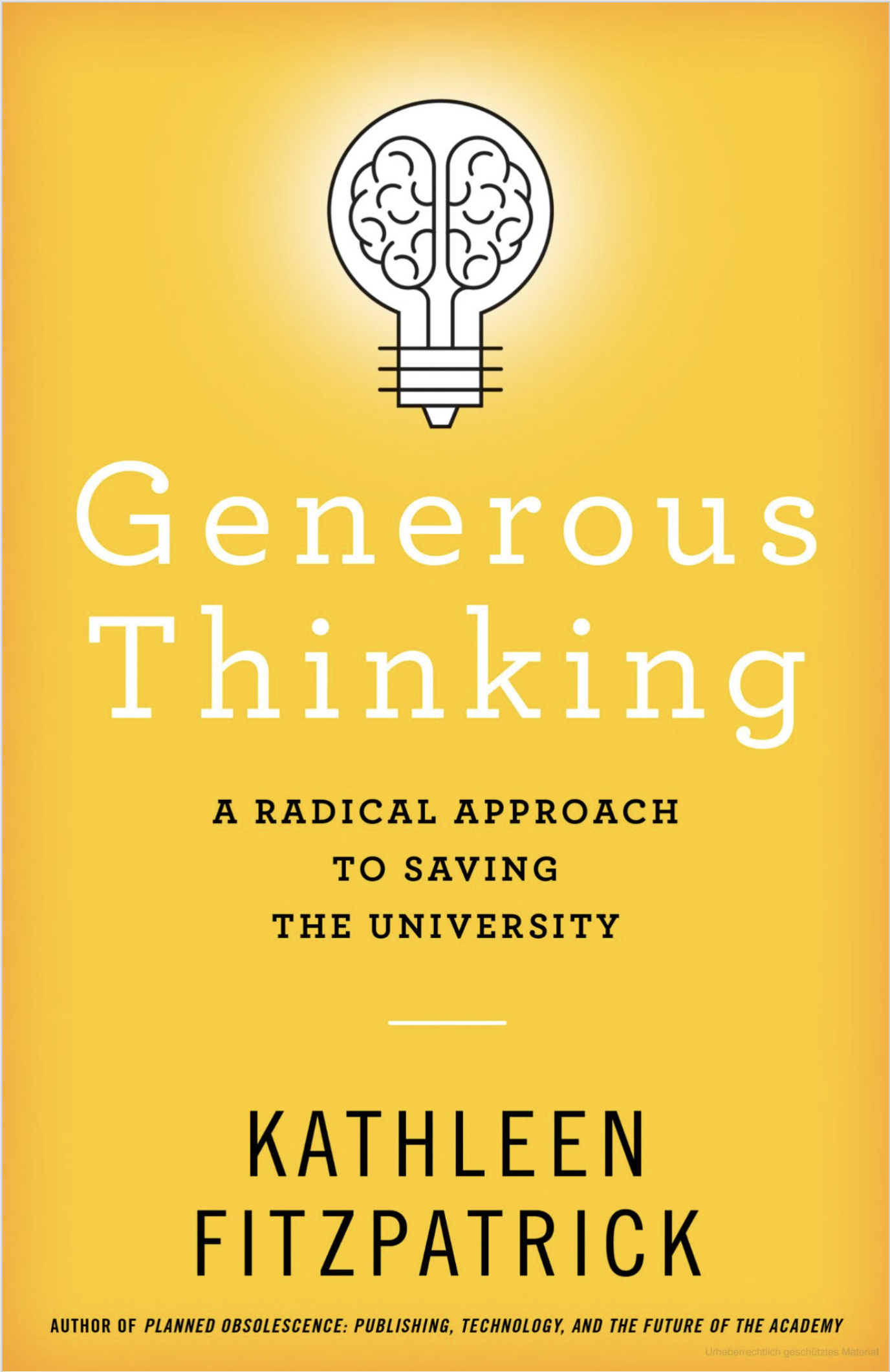
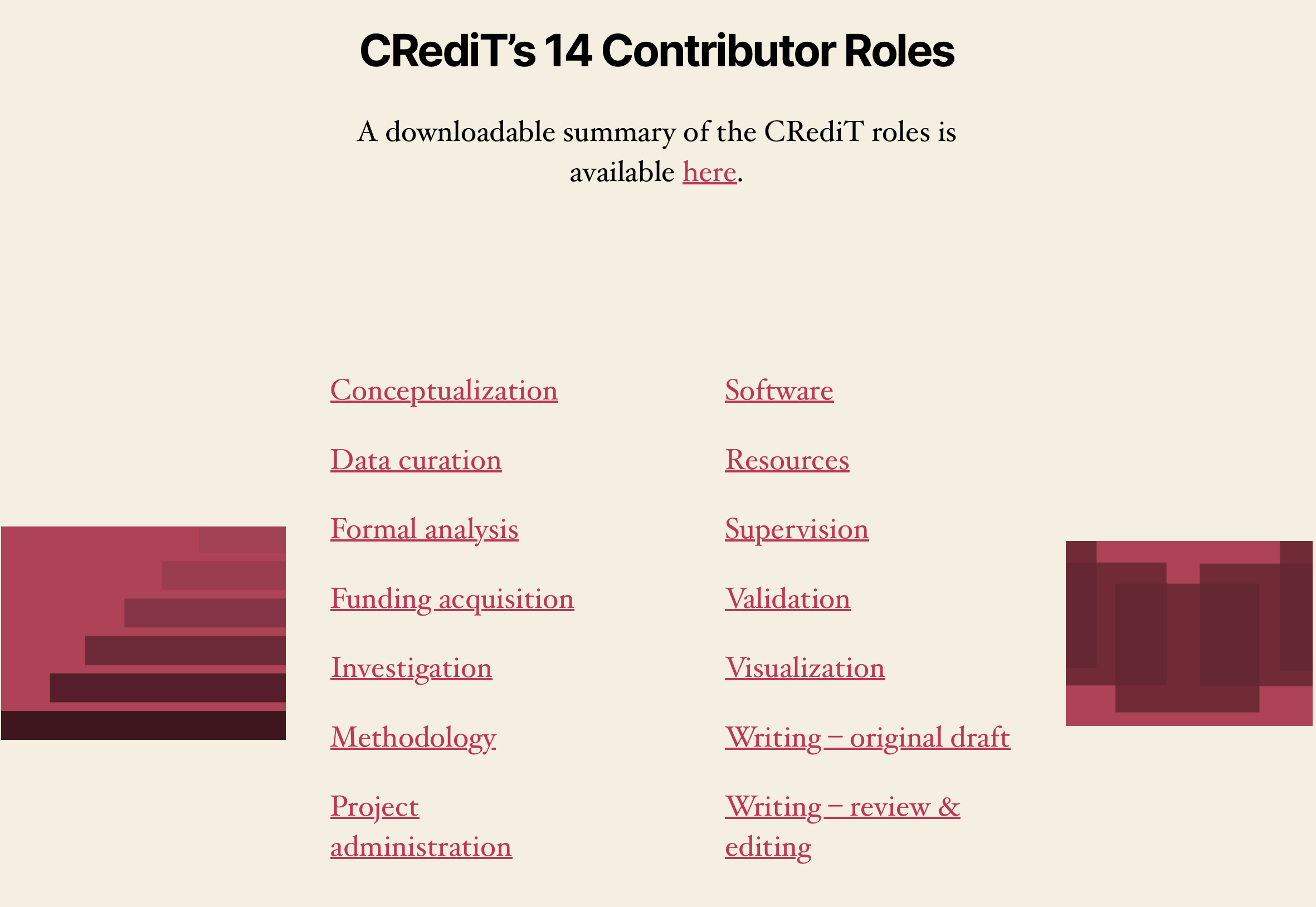
Anteile an jeglichem Output transparent klassifizieren
Unsere Stakeholder und ihre Bedürfnisse kennen
Das Haus ist gebaut aus den Steinen, die vorhanden waren
(Brecht „Schlechte Zeiten“ 1967)
minimal computing connotes digital humanities work undertaken in the context of some set of constraints. This could include lack of access to hardware or software, network capacity, technical education, or even a reliable power grid
(Risam und Gil „Introduction“ 2022, Abschn. 3)
this implies learning how to produce, disseminate, and preserve digital scholarship ourselves, without the help we can’t get, even as we fight to build the infrastructures we need at the intersection of, with, and beyond institutional libraries and schools.
(Gil und Ortega „Global Outlooks in Digital Humanities“ 2016, 29)
Einen herzlichen Dank an